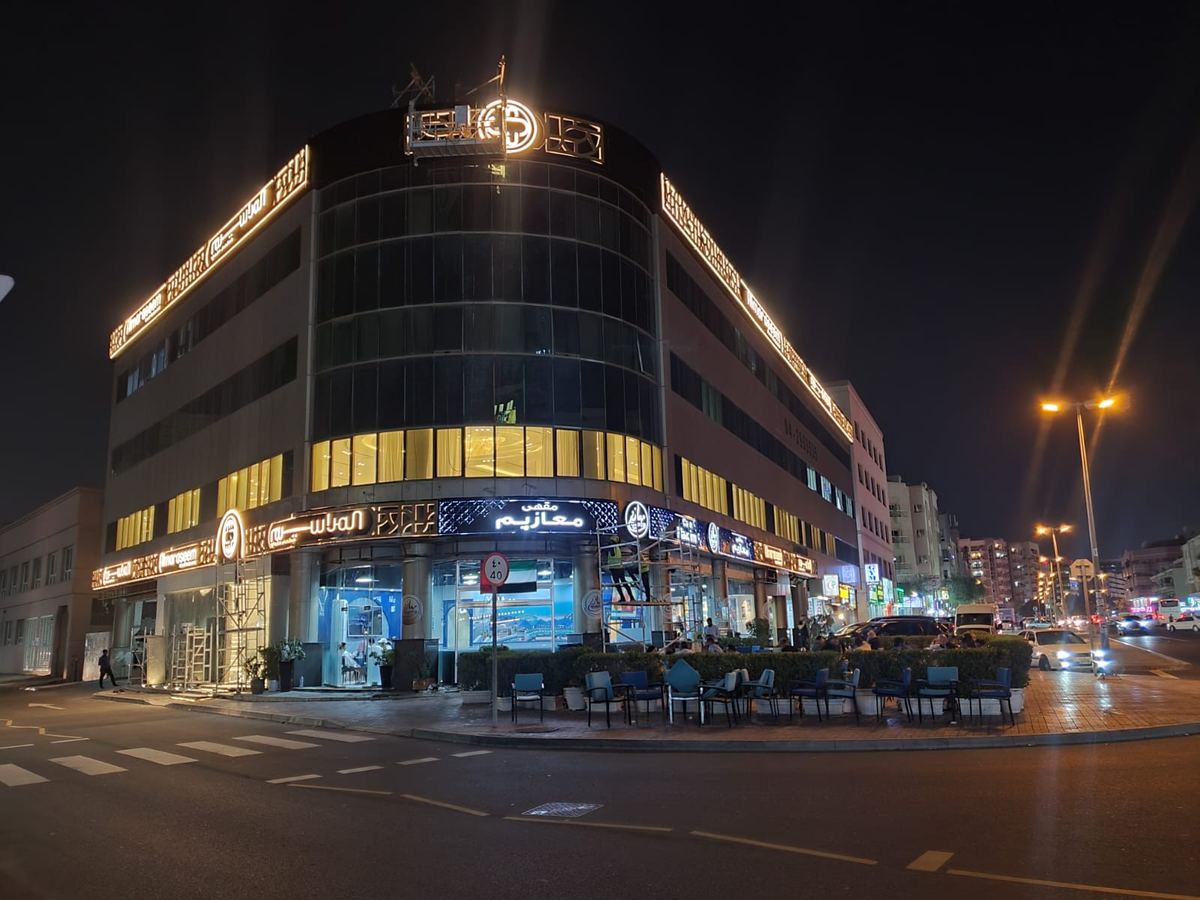
Practical, no-fluff guidance for business owners, architects and facilities teams planning signage, print or fitout work in Dubai and the UAE.
From the NJ Creative Zone Team
Notes From the Field
Most of what follows comes from questions clients actually ask us before starting a signage, print or fitout project. No filler — just the things worth knowing before you brief a supplier, sign off a design, or budget a rollout.
Signage Strategy
5 Signs Your Business Needs a Signage Refresh
Signage is easy to stop noticing once it's been up for a few years — which is exactly the problem. Customers still see it every day, and first impressions form before anyone reads a word of your marketing. Here are five signals it's time to look again at what's on your building.
1. The finish looks tired before the sign is actually broken
UV exposure, sand, and humidity take a toll on acrylic and paint finishes well before the internal LEDs or structure fail. If your signage looks dull, yellowed, or patchy compared to when it was installed, that's a branding cost even if the sign still technically "works."
2. Your brand has updated, but the sign hasn't
A refreshed logo, new brand colors, or an updated tagline mean nothing if the physical signage on your building still shows the old version. Mismatched branding between your storefront and your digital presence quietly undermines trust.
3. You've expanded to multiple locations with inconsistent signage
Growth often happens faster than signage standards can keep up with — one location gets a premium backlit sign, another gets whatever the landlord's contractor could source. Auditing signage consistency across locations is one of the highest-leverage brand fixes available.
4. Visibility has changed around your property
New buildings, road changes, or additional neighboring signage can all reduce how visible your sign actually is from the street or parking area, even if nothing about your sign changed. It's worth re-checking sightlines every couple of years.
5. You're relying on temporary or printed banners for anything permanent
Flex banners and temporary prints are great for short campaigns, but if one has been "temporary" for over a year, it's usually cheaper long-term to fabricate a proper sign than to keep reprinting a banner that fades within months.
Signage Comparison
3D Signboards vs Digital Signage: Which Is Right for Your Storefront?
This is one of the most common questions we get from new clients, and the honest answer is: it depends on what the sign needs to do, not just what looks impressive. Here's how we help clients think it through.
When a 3D signboard makes more sense
If your brand identity is stable and you're not planning to change messaging often, a well-fabricated 3D signboard — backlit channel letters, aluminum or stainless steel — tends to offer the best combination of visual quality, durability and lower long-term running costs. There's no software to maintain, no screen to eventually replace, and a well-made sign can last well over a decade with basic upkeep.
When digital signage earns its higher upfront cost
Digital signage makes sense when the content genuinely needs to change — daily specials, rotating promotions, multiple messages competing for the same physical space, or wayfinding that needs to adapt to a changing tenant mix. The upfront investment and ongoing content management only pay off if you're actually going to use the flexibility; otherwise you're paying for a feature you won't touch.
The hybrid approach
Many of our clients end up doing both: a permanent 3D signboard for brand identity (the part that shouldn't change), paired with a smaller digital display for time-sensitive information. This tends to outperform an all-digital or all-static approach on both cost and impact.
Project Planning
Why Fitout and Signage Should Be Planned Together
We see this pattern often: a business finishes its interior fitout, then brings in a separate signage contractor afterward as an add-on. It usually works out fine — but it's rarely the best outcome, for a few concrete reasons.
Electrical and structural coordination
Backlit signage, especially reception walls or illuminated logos, needs power routing and sometimes structural backing planned into the wall build, not drilled in after the fact. Coordinating this during the fitout phase avoids visible cable runs, patched drywall, or compromises on where the sign can actually go.
Material and color consistency
Signage fabricators and fitout contractors don't always use the same reference materials for color matching. When one team handles both scopes, the signage substrate, wall finish, and any branded elements are matched from the same brief, so the finished space reads as one considered environment instead of two separate projects bolted together.
Budget clarity from day one
Planning signage and fitout as a single scope means a single, more accurate budget conversation up front, rather than a fitout budget that's already spent by the time signage costs get raised. It also means fewer surprise costs from retrofitting power or structural support later.
If you're currently scoping a fitout project and haven't yet involved a signage partner, it's worth doing that earlier rather than later — even a short conversation at the design stage can save real time and cost down the line.
Getting Started
What to Bring to Your First Signage Consultation
A first conversation goes faster, and gets you a more accurate quote, when a few basics are already sorted. None of this needs to be perfect — approximate answers are fine at this stage.
Photos of the space or building
A few clear photos of the wall, storefront or vehicle in question let us gauge scale, existing lighting, mounting surfaces and any constraints before we even meet in person.
Your brand guidelines, if you have them
Logo files, brand colors and fonts save a round of back-and-forth. If you don't have formal guidelines yet, that's fine too — we can work from your existing signage, website or packaging as a reference.
A rough sense of timeline and budget range
Even an approximate budget band and target completion date help us recommend the right materials and process from the start, rather than designing something that needs to be scaled back later.
From there, the rest is our job: site visits, technical drawings, material recommendations and a clear quote broken down by scope. Get in touch whenever you're ready to start that conversation.
Maintenance
A Quick Signage Maintenance Checklist
Signage is a long-term asset, not a one-time purchase — a small amount of upkeep keeps it looking sharp for years instead of just the first one. Here's what's worth checking every few months:
Clean the surface regularly
Dust, sand and exhaust residue dull acrylic and metal finishes faster than sunlight alone. A soft cloth and mild, non-abrasive cleaner every few weeks keeps colors and gloss looking closer to day one.
Check illumination evenly
Walk past your sign after dark occasionally and look for uneven lighting, flickering, or dark patches — these are usually quick, inexpensive fixes if caught early, and much cheaper than a full re-fabrication later.
Inspect mounting points after extreme weather
After sandstorms or heavy wind, it's worth a quick visual check of brackets and mounting points, particularly for larger pole-mounted or building-top signage.
If it's been a while since your signage had a proper look-over, we're happy to do a quick assessment and let you know honestly whether it needs cleaning, repair, or a full refresh.
Planning a signage, print or fitout project?
Tell us what you need and we'll get back to you with next steps.